
Introduction to PCOS and Weight Loss Challenges
Polycystic Ovary Syndrome (PCOS) is a complex hormonal disorder that affects millions of women worldwide, and one of its most frustrating symptoms is weight gain, particularly in the midsection. If you’re struggling with PCOS, you know how tough it can be to shed those extra pounds, and that’s because the condition often disrupts insulin sensitivity, hormone balance, and metabolism, making weight loss a significant challenge.
To understand why weight loss is such a hurdle for women with PCOS, let’s break down the condition itself. Imagine your hormones are like a team of workers in a factory, each with their own specific job. In a healthy body, these workers communicate and cooperate seamlessly, producing the right amount of hormones at the right time. However, in a body with PCOS, it’s like the workers are not getting the right instructions, or they’re not working together as they should, leading to an imbalance in hormone production.
What is PCOS, Exactly?
PCOS is a hormonal disorder that affects 5-10% of women of childbearing age, and it’s characterized by a range of symptoms, including irregular menstrual cycles, cysts on the ovaries, and high levels of androgens (male hormones). Think of it like a puzzle with multiple pieces that need to fit together: hormonal imbalance, insulin resistance, and genetics all play a role in the development of PCOS. Insulin resistance, in particular, is a key factor, as it affects the body’s ability to regulate blood sugar levels, leading to weight gain, particularly in the midsection.
- Hormonal Imbalance: Women with PCOS often have high levels of androgens, which can lead to acne, excess hair growth, and male pattern baldness.
- Insulin Resistance: This is a precursor to type 2 diabetes and is often seen in women with PCOS, making it harder for the body to lose weight.
- Genetic Predisposition: If your mother or sister has PCOS, you’re more likely to develop it, highlighting the role of genetics in the condition.
Now, when it comes to weight loss, women with PCOS face unique challenges. It’s not just about cutting calories or exercising more; it’s about addressing the underlying hormonal and metabolic issues that are driving weight gain. Imagine trying to lose weight with a car that has a faulty engine – no matter how much you try to drive it, it’s just not going to run efficiently. That’s what it’s like for women with PCOS, where the body’s engine (metabolism) is not working as it should, making weight loss a lot tougher.
Weight loss with PCOS requires a multi-faceted approach that takes into account the complex interplay between hormones, insulin sensitivity, and metabolism. It’s not just about dieting; it’s about creating a lifestyle that supports hormonal balance and overall health.
Why Traditional Diets Often Fail for PCOS Weight Loss
Traditional diets that focus on calorie restriction or low-fat foods often don’t work for women with PCOS. These diets can actually make things worse by further disrupting hormone balance and insulin sensitivity. It’s like trying to put a square peg into a round hole – it’s just not going to fit. For example, a low-fat diet may seem healthy, but for women with PCOS, it can lead to an increase in insulin resistance, making weight loss even harder. Similarly, a calorie-restricted diet can lead to nutrient deficiencies, particularly in vitamins and minerals that are essential for hormone regulation.
In contrast, a diet that focuses on whole, nutrient-dense foods, such as the keto diet, can be a game-changer for women with PCOS. By providing the body with the right balance of nutrients, the keto diet can help regulate blood sugar levels, improve insulin sensitivity, and promote weight loss. It’s like giving your body the right fuel for its engine – it can finally run efficiently and effectively, making weight loss a lot easier.
- Focus on Whole Foods: The keto diet emphasizes whole, nutrient-dense foods like vegetables, meats, and healthy fats, which can help regulate blood sugar levels and improve insulin sensitivity.
- Reduce Insulin Resistance: By cutting out sugary and processed foods, the keto diet can help reduce insulin resistance, making it easier for the body to lose weight.
- Promote Hormone Balance: The keto diet can help promote hormone balance by providing the body with the right balance of nutrients, including healthy fats, protein, and fiber.
In the next section, we’ll dive deeper into the keto diet and how it can be tailored to support weight loss and overall health for women with PCOS. We’ll explore the benefits of the keto diet, including its ability to reduce insulin resistance, promote hormone balance, and support weight loss. We’ll also discuss the potential challenges of the keto diet and provide tips for implementing it successfully.
Understanding the Keto Diet and Its Benefits
The keto diet is a low-carb, high-fat diet that can be super effective for weight loss, especially for women with PCOS (Polycystic Ovary Syndrome), as it helps regulate blood sugar and insulin levels. By drastically reducing carb intake and replacing it with fat, you’re essentially switching your body’s fuel source from glucose to ketones, which are produced by the liver from fat breakdown.
To understand how the keto diet works, think of your body like a car. Normally, it runs on gasoline (glucose), but when you’re on a keto diet, you’re converting it to run on diesel (ketones) instead. This switch can be really beneficial for women with PCOS, as it can help alleviate symptoms like weight gain, acne, and irregular periods. Now, you might be wondering how to get started with the keto diet, and what the best steps are to ensure you’re doing it correctly.
Key Steps to a Successful Keto Diet
When it comes to following a keto diet for PCOS weight loss, there are a few core attributes to focus on. Here are three best steps to get you started:
- Macro Tracking: This involves tracking your daily intake of macronutrients like carbs, protein, and fat. For a keto diet, you’ll want to aim for a ratio of 70-80% fat, 15-20% protein, and 5-10% carbs. Think of it like a budget – you’ve got a certain amount of “money” (calories) to spend each day, and you need to allocate it wisely across different categories (macros).
- Keto-Friendly Foods: Focus on whole, unprocessed foods like meats, fish, eggs, vegetables, and healthy oils. These foods are naturally low in carbs and rich in fat, making them perfect for a keto diet. Some examples include avocado, bacon, and salmon – yum! On the other hand, try to avoid high-carb foods like sugary drinks, grains, and starchy veggies.
- Hydration and Electrolytes: When you’re on a keto diet, your body is flushing out a lot of water and electrolytes (like sodium, potassium, and magnesium). This can lead to dehydration and other issues if you’re not careful. Make sure to drink plenty of water and consider supplementing with electrolyte-rich foods or supplements to avoid any problems.
By following these three core attributes, you’ll be well on your way to a successful keto diet for PCOS weight loss. Remember, it’s all about making sustainable lifestyle changes that you can stick to in the long term, rather than trying fad diets or quick fixes. With the right mindset and a little bit of planning, you can achieve your weight loss goals and improve your overall health and wellbeing.
Now, let’s talk about some of the benefits of the keto diet for PCOS weight loss. One of the main advantages is that it can help regulate blood sugar and insulin levels, which can be really beneficial for women with PCOS. By reducing carb intake and increasing fat consumption, you’re essentially giving your body a break from all the sugar and insulin resistance that can come with a high-carb diet. This can lead to improved weight loss, reduced inflammation, and even improved fertility.
It’s worth noting that everyone’s body is different, and what works for one person may not work for another. Some women with PCOS may find that the keto diet is a game-changer for their weight loss and overall health, while others may not see the same results. The key is to be patient, stay consistent, and work with a healthcare professional to find the best approach for your individual needs.
In conclusion, the keto diet can be a powerful tool for PCOS weight loss, but it’s not a magic solution. It takes time, effort, and dedication to make it work, but the benefits can be well worth it. By understanding the core attributes of a keto diet and following the best steps for success, you can set yourself up for a successful and sustainable weight loss journey. So, are you ready to give the keto diet a try and see the difference it can make for your PCOS weight loss goals?
How the Keto Diet Helps with PCOS Weight Loss
The keto diet can be a game-changer for women with PCOS (Polycystic Ovary Syndrome) looking to lose weight, as it helps regulate blood sugar levels, improves insulin sensitivity, and reduces inflammation. By drastically reducing carbohydrate intake and increasing fat consumption, the keto diet can help women with PCOS achieve a healthy weight, reduce symptoms, and improve overall quality of life.
To understand how the keto diet works its magic, let’s break it down in simple terms. Imagine your body is a car, and the food you eat is the fuel that makes it run. When you eat a high-carb diet, your body is like a car running on gasoline – it’s quick to start, but it can be prone to sputtering and stalling. On the other hand, when you eat a high-fat diet, your body is like a car running on diesel – it’s slower to start, but it’s more efficient and can run for longer periods of time. The keto diet is like switching your car to diesel mode, where your body learns to burn fat for fuel instead of carbs.
Reducing Insulin Resistance
One of the main ways the keto diet helps with PCOS weight loss is by reducing insulin resistance. Insulin resistance is like a big, heavy anchor that’s holding your body back from losing weight. When you eat a high-carb diet, your body produces more insulin to try and keep up with the sugar rush. But over time, your body becomes less responsive to insulin, making it harder to lose weight. The keto diet helps to reduce insulin resistance by drastically reducing carbohydrate intake, which in turn reduces the amount of insulin your body needs to produce.
- Reducing carbohydrate intake to less than 20 grams per day
- Increasing fat consumption to 70-80% of daily calories
- Adding moderate amounts of protein to support muscle growth and satisfaction
By following these guidelines, women with PCOS can reduce their insulin resistance and start losing weight. It’s like removing the heavy anchor that’s been holding them back – suddenly, they’re free to move forward and achieve their weight loss goals.
Tip: “Don’t be too hard on yourself if you slip up on the keto diet. It’s like getting a flat tire on a road trip – it’s frustrating, but it doesn’t mean you have to give up on your journey. Simply get back on track, and keep moving forward. Remember, the keto diet is a journey, not a destination. Focus on progress, not perfection, and you’ll be amazed at the results you can achieve.”
Reducing Inflammation
Another way the keto diet helps with PCOS weight loss is by reducing inflammation. Inflammation is like a big, red flag that’s waving in your body, signaling that something is wrong. When you eat a high-carb diet, your body produces more inflammatory chemicals, which can make it harder to lose weight. The keto diet helps to reduce inflammation by increasing the production of anti-inflammatory chemicals, such as ketones.
Imagine your body is a garden, and the food you eat is the fertilizer that makes it grow. When you eat a high-carb diet, it’s like using a fertilizer that’s high in pesticides – it may make your garden grow quickly, but it can also harm the soil and the plants. On the other hand, when you eat a high-fat diet, it’s like using a natural, organic fertilizer that nourishes the soil and promotes healthy growth. The keto diet is like switching to organic fertilizer, where your body learns to produce its own anti-inflammatory chemicals to reduce inflammation and promote healing.
In conclusion, the keto diet can be a powerful tool for women with PCOS looking to lose weight. By reducing insulin resistance and inflammation, the keto diet can help women with PCOS achieve a healthy weight, reduce symptoms, and improve overall quality of life. It’s like having a personal trainer and nutritionist all in one – it guides you on what to eat, how to exercise, and how to take care of your body. So, if you’re ready to take control of your weight loss journey and start feeling like the best version of yourself, consider giving the keto diet a try.
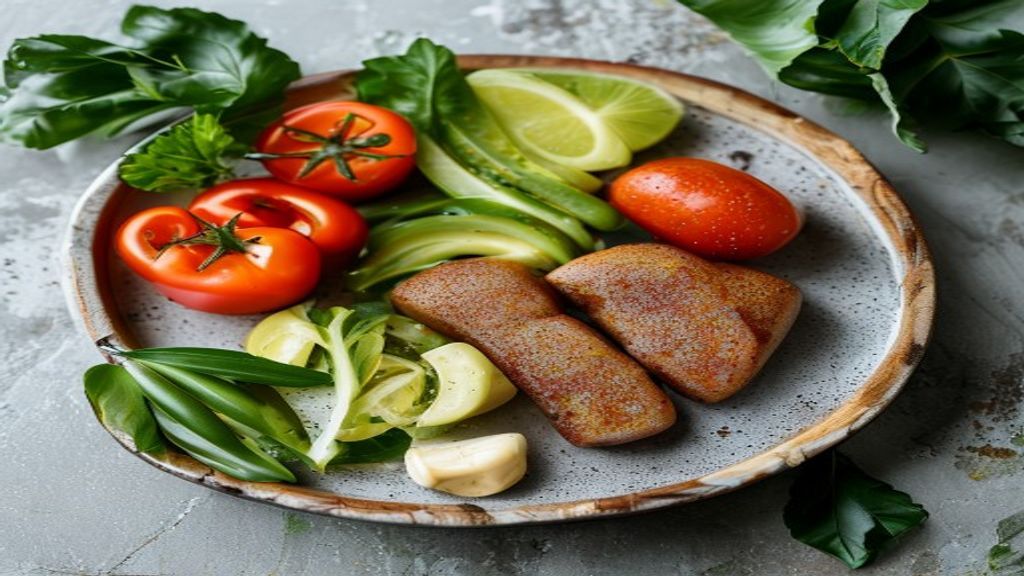
Keto Meal Planning and Recipes for PCOS Weight Loss
Keto meal planning for PCOS weight loss involves creating a personalized diet plan that focuses on whole, nutrient-dense foods and restricts carbohydrate intake to induce a metabolic state called ketosis. By doing so, you can potentially alleviate PCOS symptoms, promote weight loss, and improve overall health.
To get started, it’s essential to understand the basics of a ketogenic diet. Think of your diet like a car engine – it runs on a specific type of fuel. For most people, that fuel is glucose (sugar), which comes from carbohydrates like bread, pasta, and sugary drinks. However, when you switch to a keto diet, you’re essentially switching to a different fuel source: fat. Your body begins to break down fat for energy instead of glucose, which can lead to weight loss and improved blood sugar control.
Understanding Keto Macro-Nutrients
When planning keto meals for PCOS weight loss, you’ll need to pay attention to three main macronutrients: fat, protein, and carbohydrates. Here’s a rough breakdown of what you can expect:
- Fat: 70-80% of your daily calories should come from fat sources like avocado, olive oil, nuts, and fatty meats.
- Protein: 15-20% of your daily calories should come from protein sources like meat, poultry, fish, eggs, and dairy products.
- Carbohydrates: 5-10% of your daily calories should come from carbohydrate sources like vegetables, fruits, and whole grains.
Think of these macronutrients like a puzzle – you need to find the right balance to achieve ketosis and support weight loss.
A good way to approach keto meal planning is to focus on whole, unprocessed foods. Imagine you’re shopping the perimeter of the grocery store: you’ve got your meats, vegetables, fruits, nuts, and dairy products. These are the foundation of a healthy keto diet. When you venture into the center aisles, that’s where things can get tricky – you’ll find processed and packaged foods that are often high in carbohydrates and added sugars.
Keto Meal Planning Strategies
Here are some practical strategies to help you plan keto meals for PCOS weight loss:
- Meal prep: Set aside one day a week to prepare your meals for the next few days. This can help you stay on track and ensure you’re getting the right balance of macronutrients.
- Keto meal templates: Create a list of your favorite keto meals and use them as templates. For example, you might have a template for keto breakfasts (e.g., scrambled eggs with spinach and avocado) or keto lunches (e.g., a salad with grilled chicken and olive oil dressing).
- Batch cooking: Cook large batches of keto-friendly foods like cauliflower rice, zucchini noodles, or meatballs, and use them throughout the week in different meals.
These strategies can help you streamline your keto meal planning and make it more sustainable in the long term.
Now, let’s talk about some delicious and easy-to-make keto recipes that are perfect for PCOS weight loss. Here are a few ideas to get you started:
Keto Cinnamon Rolls: Made with almond flour, cream cheese, and sweetener, these cinnamon rolls are a delicious keto breakfast or snack option.
Keto Chicken Parmesan: Breaded with almond flour and parmesan cheese, this chicken parmesan recipe is a keto twist on a classic Italian dish.
Keto Fat Bombs: These bite-sized energy balls are made with coconut oil, cocoa butter, and sweetener, and are perfect for a quick keto snack or dessert.
These recipes are not only delicious, but they’re also tailored to support ketosis and weight loss.
Common Keto Mistakes to Avoid
When it comes to keto meal planning for PCOS weight loss, there are some common mistakes to watch out for:
- Not tracking macronutrients: Make sure you’re tracking your fat, protein, and carbohydrate intake to ensure you’re staying within keto guidelines.
- Not drinking enough water: Staying hydrated is essential on a keto diet, as it can help reduce symptoms like headaches and fatigue.
- Not being patient: Keto weight loss can take time, so be patient and don’t get discouraged if you don’t see results right away.
By avoiding these common mistakes, you can set yourself up for success on your keto journey and achieve your weight loss goals.
Remember, keto meal planning for PCOS weight loss is all about finding a balance that works for you. With the right combination of whole foods, keto-friendly recipes, and patience, you can achieve ketosis and start seeing the weight loss results you’re looking for. So, don’t be afraid to experiment, try new recipes, and make adjustments as needed – your body (and taste buds) will thank you!
Managing PCOS Symptoms with the Keto Diet
The keto diet can be a game-changer for managing PCOS symptoms, particularly when it comes to weight loss, hormonal balance, and reducing inflammation. By drastically reducing carbohydrate intake and increasing fat consumption, you can potentially alleviate many of the symptoms associated with PCOS, such as acne, excess hair growth, and irregular menstrual cycles.
To understand how the keto diet works for PCOS, let’s break it down in simple terms. Think of your body like a car, and the food you eat is like the fuel you put in the tank. When you’re eating a high-carb diet, your body is running on glucose (sugar) as its primary fuel source. However, when you switch to a keto diet, your body starts to run on ketones, which are produced by the liver from fat breakdown. This switch in fuel sources can have a profound impact on your hormone levels, metabolism, and overall health.
How the Keto Diet Affects Hormones
The keto diet can help regulate hormonal imbalances in PCOS by reducing insulin resistance and increasing insulin sensitivity. When you eat a high-carb diet, your body produces more insulin to cope with the glucose surge, which can lead to insulin resistance over time. This insulin resistance can disrupt hormone production, leading to an imbalance of androgens (male hormones) and estrogens (female hormones). By switching to a keto diet, you can reduce your insulin levels, which can help regulate your hormones and alleviate symptoms like acne, excess hair growth, and irregular periods.
- Reduced insulin resistance: The keto diet can help your body become more responsive to insulin, reducing the risk of developing insulin resistance and related hormonal imbalances.
- Increased insulin sensitivity: By reducing carbohydrate intake, you can improve your body’s ability to use insulin effectively, which can help regulate blood sugar levels and hormone production.
- Hormone regulation: The keto diet can help balance hormone levels, including androgens and estrogens, which can alleviate symptoms like acne, excess hair growth, and irregular periods.
Here’s a conversational tip to get you started: focus on adding, not subtracting. Instead of thinking about all the foods you need to cut out on a keto diet, focus on adding more healthy fats, protein sources, and low-carb veggies to your meals. For example, try adding a source of healthy fat like avocado or nuts to your breakfast, or swapping out your usual pasta dinner for a low-carb veggie stir-fry. By focusing on addition, not subtraction, you can make the keto diet feel more sustainable and enjoyable, which can help you stick to it in the long term.
In addition to regulating hormones, the keto diet can also help reduce inflammation, which is a common underlying factor in PCOS. When you eat a high-carb diet, your body produces more advanced glycation end (AGE) products, which are pro-inflammatory compounds that can damage tissues and disrupt hormone production. The keto diet, on the other hand, is rich in anti-inflammatory compounds like omega-3 fatty acids and antioxidants, which can help reduce inflammation and promote overall health.
Practical Tips for Implementing the Keto Diet
So, how can you get started with the keto diet for PCOS weight loss? Here are some practical tips to keep in mind:
- Start by reducing your carbohydrate intake: Aim to reduce your daily carb intake to 20-50 grams per day, focusing on low-carb veggies, nuts, and seeds.
- Increase your fat consumption: Aim to get 70-80% of your daily calories from fat sources like avocado, nuts, and olive oil.
- Focus on whole foods: Prioritize whole, unprocessed foods like meats, fish, eggs, veggies, and nuts, and avoid processed and packaged foods.
- Stay hydrated: Drink plenty of water and consider incorporating electrolyte-rich beverages like coconut water or broth to help manage electrolyte levels.
Remember, everyone’s body is different, and it may take some trial and error to find the right balance of macronutrients that works for you. Be patient, stay consistent, and don’t be afraid to seek out support from a healthcare professional or registered dietitian if you need guidance on implementing the keto diet for PCOS weight loss.

Maintaining a Healthy Keto Lifestyle with PCOS
Maintaining a healthy keto lifestyle with PCOS requires a long-term commitment to dietary changes, stress management, and regular physical activity. To achieve this, you’ll need to focus on whole, nutrient-dense foods, including meats, fish, eggs, full-fat dairy, vegetables, and healthy oils, while minimizing your intake of sugary and processed foods.
To get started, think of your keto diet as a puzzle with several pieces that need to fit together perfectly. The first piece is your diet, which should consist of a balanced mix of fat, protein, and low-carb vegetables. You can imagine this as a big plate of food, with fat being the largest portion, followed by protein, and then vegetables. A good rule of thumb is to aim for a macronutrient breakdown of 70-80% fat, 15-20% protein, and 5-10% carbohydrates.
Another crucial piece of the puzzle is stress management. When you’re stressed, your body produces more cortisol, a hormone that can disrupt your menstrual cycle and make it harder to lose weight. To manage stress, try incorporating relaxation techniques like deep breathing, yoga, or meditation into your daily routine. You can also try journaling or talking to a friend or family member about your feelings. Remember, stress is like a big storm cloud that can overshadow your whole day, but with the right tools, you can learn to navigate through it and find calmness.
Regular physical activity is also essential for maintaining a healthy keto lifestyle with PCOS. This doesn’t mean you need to become a marathon runner or a gym enthusiast, but rather find activities that you enjoy and can stick to in the long term. Think of physical activity as a way to nourish your body and mind, rather than a chore or a punishment. You can try walking, swimming, cycling, or dancing, and aim to do at least 30 minutes of moderate-intensity exercise per day.
“The key to maintaining a healthy keto lifestyle with PCOS is to focus on progress, not perfection. Don’t be too hard on yourself if you slip up – simply acknowledge the setback and get back on track. Remember, it’s a journey, not a destination. As you navigate this journey, keep in mind that every small step counts, and celebrating small victories can help you stay motivated and engaged. So, take it one day at a time, and don’t be afraid to seek support from friends, family, or a healthcare professional when you need it.”
In addition to diet, stress management, and physical activity, it’s also important to stay hydrated and get enough sleep. Aim to drink at least 8-10 glasses of water per day, and try to get 7-8 hours of sleep per night. You can think of sleep as a time for your body to repair and recharge, and hydration as a way to keep your body running smoothly. By prioritizing these basics, you’ll be better equipped to handle the challenges of living with PCOS and maintaining a healthy keto lifestyle.
Practical Tips for Maintaining a Healthy Keto Lifestyle with PCOS
- Keep a food diary to track your eating habits and identify patterns and triggers
- Plan your meals in advance to avoid last-minute takeout or fast food
- Find healthy alternatives to your favorite foods, such as cauliflower pizza crust or zucchini noodles
- Get enough protein to help regulate your blood sugar and support weight loss
- Stay connected with friends and family, and don’t be afraid to ask for help when you need it
By following these tips and staying committed to your keto lifestyle, you can achieve significant weight loss and improve your overall health and well-being. Remember, it’s a journey, and it’s okay to take it one step at a time. With patience, persistence, and the right support, you can overcome the challenges of PCOS and thrive on a keto diet.
Overcoming Plateaus and Staying Motivated on the Keto Diet
When it comes to overcoming plateaus and staying motivated on the keto diet for PCOS weight loss, it’s essential to understand that hitting a roadblock is a normal part of the journey, and with the right mindset and strategies, you can break through and continue progressing towards your goals. Think of a keto plateau like a car running out of gas – you need to refill, reassess, and sometimes change your route to get back on track.
To overcome these plateaus, you need to take a step back, reassess your approach, and make adjustments as needed. It’s like trying to solve a puzzle – sometimes you need to rotate the pieces, change your perspective, or add new pieces to find the right fit. For women with PCOS, it’s crucial to remember that keto is not just a diet, but a lifestyle change that requires patience, dedication, and self-care.
One of the most significant challenges on the keto diet is staying motivated, especially when the scale doesn’t seem to be moving. It’s like being on a rollercoaster – there are ups and downs, but the key is to stay focused on the bigger picture and celebrate small victories along the way. Here are three core attributes or best steps to help you overcome plateaus and stay motivated on the keto diet:
- Tracking and Monitoring: Keeping track of your food intake, macros, and progress is crucial to identifying patterns and making adjustments. It’s like having a GPS – you need to monitor your route to ensure you’re on the right path and make changes as needed to reach your destination.
- Community Support and Accountability: Surrounding yourself with like-minded individuals who understand the challenges and benefits of the keto diet can be a game-changer. It’s like having a workout buddy – you’re more likely to show up and push yourself when you have someone to hold you accountable and share the experience with.
- Self-Care and Mindset Shifts: Practicing self-care, managing stress, and shifting your mindset can help you stay motivated and focused on your goals. It’s like taking care of a garden – you need to nurture the soil, prune the weeds, and provide the right conditions for growth to occur.
By incorporating these attributes into your keto journey, you’ll be better equipped to overcome plateaus, stay motivated, and achieve your weight loss goals. Remember, it’s a marathon, not a sprint – stay consistent, be patient, and trust the process. As you continue on your keto journey, you’ll learn to listen to your body, make adjustments as needed, and celebrate the small victories that add up to significant progress over time.
Keto Diet and PCOS: Success Stories and Testimonials
The keto diet has been a game-changer for many women with PCOS, helping them achieve significant weight loss and improve their overall health. By drastically reducing carbohydrate intake and increasing fat consumption, many women with PCOS have reported improved insulin sensitivity, reduced androgen levels, and enhanced fertility.
Let’s dive into some inspiring success stories and testimonials from women who’ve used the keto diet to manage their PCOS symptoms and achieve weight loss. These stories are a testament to the diet’s effectiveness and can provide valuable insights for those considering a similar approach. For instance, Sarah, a 32-year-old woman with PCOS, reported losing 40 pounds in just six months on the keto diet. She also noticed a significant reduction in her acne and hirsutism symptoms, which she attributed to the diet’s ability to regulate her hormones.
Real-Life Examples of Keto Diet Success
- Emily, a 28-year-old woman with PCOS, struggled with weight loss and infertility for years. After adopting a keto lifestyle, she lost 60 pounds and became pregnant with her first child. She credits the keto diet with helping her regulate her menstrual cycle and improve her overall health.
- Rachel, a 35-year-old woman with PCOS, reported a significant reduction in her blood sugar levels and blood pressure after switching to a keto diet. She also noticed an improvement in her energy levels and mood, which she attributed to the diet’s ability to reduce inflammation and promote weight loss.
- Jessica, a 25-year-old woman with PCOS, struggled with acne and hirsutism for years. After adopting a keto lifestyle, she noticed a significant reduction in her acne and hirsutism symptoms, which she attributed to the diet’s ability to regulate her hormones and reduce inflammation.
These success stories are not isolated incidents; many women with PCOS have reported similar results after adopting a keto diet. The key to success lies in understanding how the keto diet works and making sustainable lifestyle changes. Think of the keto diet as a puzzle, where each piece (fat, protein, and low-carb vegetables) fits together to create a complete picture of health and weight loss. By focusing on whole, nutrient-dense foods and avoiding processed and high-carb foods, women with PCOS can set themselves up for success and achieve their weight loss goals.
One of the most significant benefits of the keto diet for PCOS is its ability to regulate insulin sensitivity. When we eat a high-carb diet, our body produces more insulin to compensate for the increased glucose in our bloodstream. This can lead to insulin resistance, a precursor to type 2 diabetes and a common symptom of PCOS. By drastically reducing carbohydrate intake, the keto diet helps to regulate insulin sensitivity, reducing the risk of developing type 2 diabetes and other metabolic disorders.
Another benefit of the keto diet for PCOS is its ability to reduce inflammation. Chronic inflammation is a common symptom of PCOS, and it can lead to a range of health problems, including acne, hirsutism, and infertility. The keto diet’s emphasis on whole, nutrient-dense foods and healthy fats helps to reduce inflammation, promoting overall health and well-being. For example, omega-3 fatty acids found in fatty fish, nuts, and seeds have potent anti-inflammatory properties, which can help to reduce inflammation and promote healing.
Common Themes Among Keto Diet Success Stories
- Significant weight loss: Many women with PCOS report significant weight loss on the keto diet, which can help to improve insulin sensitivity, reduce inflammation, and enhance fertility.
- Improved insulin sensitivity: The keto diet’s ability to regulate insulin sensitivity is a common theme among success stories, as it can help to reduce the risk of developing type 2 diabetes and other metabolic disorders.
- Reduced inflammation: The keto diet’s emphasis on whole, nutrient-dense foods and healthy fats helps to reduce inflammation, promoting overall health and well-being.
- Enhanced fertility: Many women with PCOS report improved fertility on the keto diet, which can be attributed to the diet’s ability to regulate hormones, improve insulin sensitivity, and reduce inflammation.
While these success stories are inspiring, it’s essential to remember that everyone’s journey is unique, and results may vary. The keto diet may not be suitable for everyone, particularly those with certain medical conditions or dietary restrictions. It’s crucial to consult with a healthcare professional before starting any new diet or lifestyle change. By working with a healthcare professional and making sustainable lifestyle changes, women with PCOS can set themselves up for success and achieve their weight loss goals on the keto diet.
Conclusion: Achieving Sustainable Weight Loss with the Keto Diet and PCOS
To achieve sustainable weight loss with the keto diet for PCOS, it’s essential to focus on making long-term lifestyle changes rather than seeking quick fixes. By combining a well-planned keto diet with regular exercise, stress management, and adequate sleep, you can effectively manage your PCOS symptoms and shed those extra pounds.
When it comes to the keto diet, think of it like a journey, not a destination. It’s about adopting a new way of eating that becomes second nature over time, rather than a restrictive diet that you follow for a few weeks or months. This mindset shift is crucial for achieving sustainable weight loss, as it allows you to make gradual, lasting changes that you can maintain in the long term.
One of the key benefits of the keto diet for PCOS is its ability to help regulate blood sugar and insulin levels. By drastically reducing your carb intake, you can help your body become more sensitive to insulin, which can lead to improved hormone balance and weight loss. It’s like resetting your body’s internal thermostat, allowing it to function more efficiently and effectively.
In terms of practical tips, here’s a valuable piece of advice to keep in mind:
Don’t be too hard on yourself if you slip up – simply get back on track at the next meal. Remember, it’s a journey, not a perfection contest. Focus on progress, not perfection, and celebrate small victories along the way. As you navigate the ups and downs of the keto diet, keep in mind that it’s okay to indulge every now and then, as long as you’re making healthy choices most of the time.
Actionable Tip: Plan your meals in advance, shop for keto-friendly ingredients, and prep your food for the week ahead. This will help you stay on track, even on busy days when it’s tempting to grab something quick and easy. And when you do indulge, make sure it’s something you truly enjoy, rather than mindlessly snacking on junk food.
By following these tips and adopting a keto lifestyle, you can achieve sustainable weight loss and improve your overall health and wellbeing. It’s not just about losing weight – it’s about gaining a new lease on life, with more energy, confidence, and vitality.
Some other key takeaways to keep in mind include:
- Stay hydrated: Drinking plenty of water is essential for overall health, and it can also help reduce cravings and support weight loss.
- Listen to your body: Pay attention to your hunger and fullness cues, and eat when you’re hungry, stopping when you’re satisfied.
- Get enough sleep: Aim for 7-9 hours of sleep per night to help regulate your hormones and support weight loss.
- Manage stress: Find healthy ways to cope with stress, such as meditation, yoga, or deep breathing exercises, to help minimize its impact on your hormones and weight.
By incorporating these habits into your daily routine, you can set yourself up for success on the keto diet and achieve sustainable weight loss with PCOS. Remember, it’s a journey, and it’s okay to take it one step at a time. With patience, persistence, and the right mindset, you can overcome the challenges of PCOS and achieve a healthier, happier you.
Frequently Asked Questions
Can the keto diet help with PCOS weight loss?
Yes, the keto diet can help with weight loss and improve PCOS symptoms.
What are the best keto foods for PCOS weight loss?
Focus on whole, nutrient-dense foods like meats, fish, eggs, and veggies.
How long does it take to see results on a keto diet for PCOS?
Results vary, but many see improvements in weight and symptoms within 2-4 weeks.